


8L CNC LATHE: PERFECT FOR PROTOTYPING AND LIGHT PRODUCTION
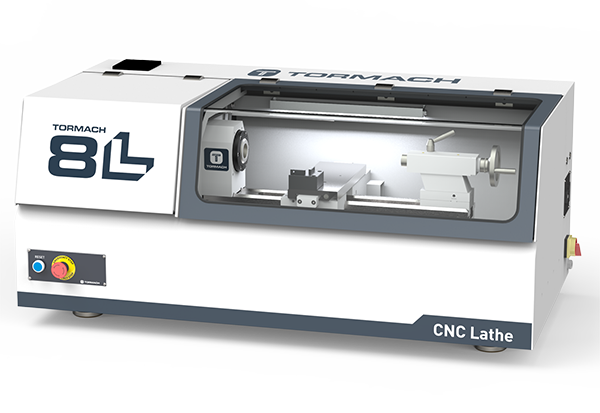
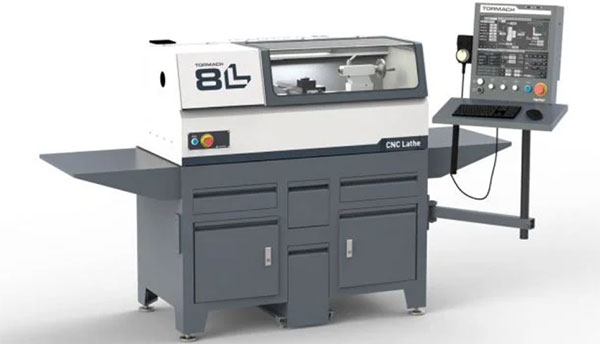
The 8L Lathe by Tormach is precision-crafted to meet your needs. This compact CNC lathe is an ideal addition to any workshop, garage, lab, or classroom. It's engineered with both prototyping and specialty manufacturing in mind and is your answer to tight deadlines and limited budgets, allowing in-house lathe applications to complete projects on time without compromising quality. It has a user-friendly design, supports the PathPilot CNC controller, has a shorter learning curve and perfect for beginners and experts alike.
Features:
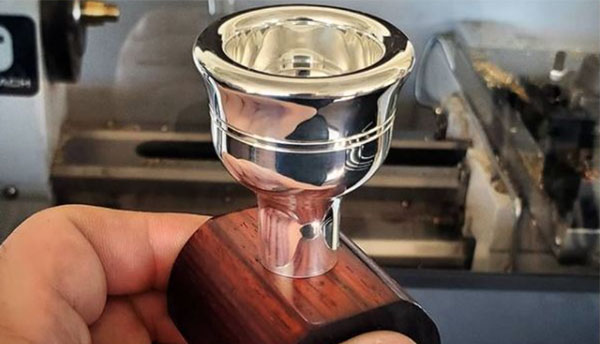
- Diverse Material Handling: Cuts a range of materials from challenging metals like titanium to softer materials such as aluminum and plastics, with great precision.
- Compact Design: Has a footprint of 50in. x 26in. Perfect for space-constrained environments.
- Operates on standard 120VAC 15A wall outlet.
- Key Specs:
- Spindle Speed: 180 to 5,000 rpm
- Maximum Workpiece Length: 16 in.
- Maximum Swing Over Bed: 8 in.(200 mm)
- Maximum Swing Over Carriage: 4 in.(100 mm)
Articles and Resources
From getting started to mastering advanced techniques, explore articles, guides, and support resources designed to help you get the most from your desktop CNC lathe.
Explore More Resources

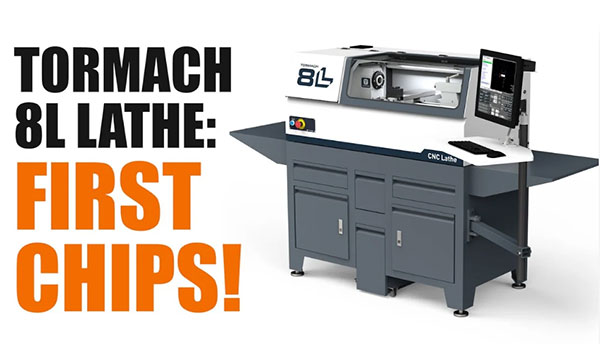
Looking for more tips, project ideas, or technical insights? Explore our latest CNC lathe articles and expand your machining knowledge.

Need answers fast? Browse our Knowledgebase for setup guides, troubleshooting tips, and detailed instructions for your desktop CNC lathe.

Need expert help with your lathe? Visit our support section for detailed manuals, documentation, and options to contact our technical team when you need a hand.

Connect with fellow machinists in our community forums. Share projects, ask questions, and learn from real-world experience across the Tormach ecosystem.
Customer Projects
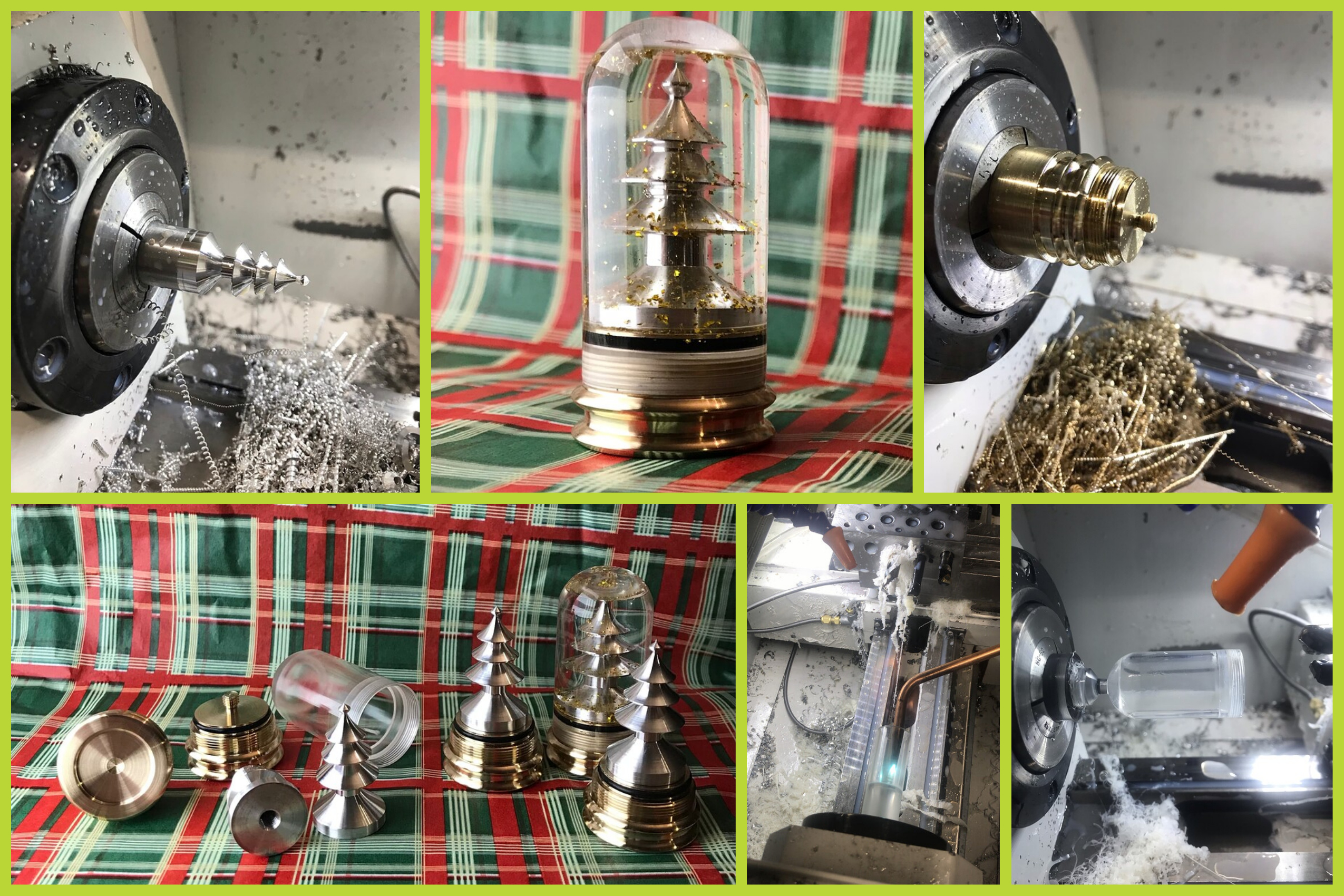
Check out this great Forum Post from Chris Zajic on his Snow Globe project.
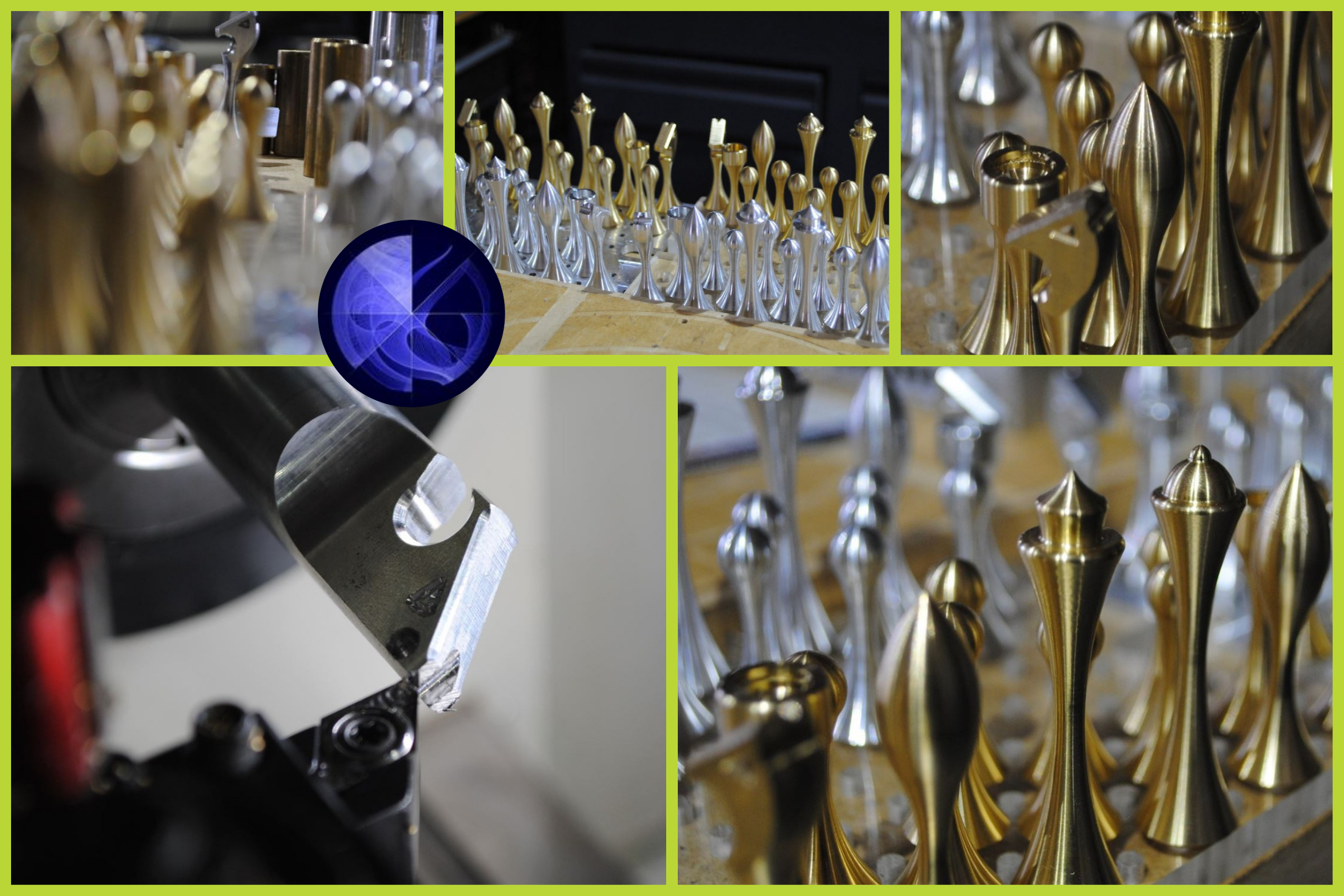
Check out Lane Burkhardt's Instagram page for great 8L projects and videos.
Frequently Asked Questions
What is the difference between a lathe and a CNC lathe?
A traditional lathe is manually operated by a machinist who controls the machine using handwheels and levers. A CNC (Computer Numerical Control) lathe is computer-controlled. With a CNC lathe, the machine operations are programmed into the computer, which then automates the machining process, allowing for more complex and precise parts to be made with higher repeatability.
How much does it cost to run a CNC lathe?
The cost to run a CNC lathe depends on several factors, including power consumption, tool wear, maintenance, and the cost of raw materials. For the Tormach 8L Lathe, the machine operates on single-phase, household power. The actual running cost can vary based on local electricity rates, frequency of use, and tooling costs. It's recommended to calculate the specific operational costs for your region and usage pattern.
Can you use a CNC mill as a lathe?
While a CNC mill and lathe serve different primary functions – a mill for milling and a lathe for turning – there are some specialized operations where a mill can perform turning tasks, known as "live tooling." However, it's not a complete replacement for a lathe. A dedicated lathe, like the Tormach 8L, is specifically designed for turning operations and will generally be more efficient and accurate for such tasks.
What can a small CNC lathe do?
A mini CNC lathe is designed for precision machining of smaller workpieces, allowing for tasks such as turning, facing, drilling, tapping, and creating intricate designs. Its compact nature makes it an ideal choice for hobbyists, educational settings, and small-scale production environments and the single-phase power requirement lets you plug and turn.
A traditional lathe is manually operated by a machinist who controls the machine using handwheels and levers. A CNC (Computer Numerical Control) lathe is computer-controlled. With a CNC lathe, the machine operations are programmed into the computer, which then automates the machining process, allowing for more complex and precise parts to be made with higher repeatability.
The cost to run a CNC lathe depends on several factors, including power consumption, tool wear, maintenance, and the cost of raw materials. For the Tormach 8L Lathe, the machine operates on single-phase, household power. The actual running cost can vary based on local electricity rates, frequency of use, and tooling costs. It's recommended to calculate the specific operational costs for your region and usage pattern.
While a CNC mill and lathe serve different primary functions – a mill for milling and a lathe for turning – there are some specialized operations where a mill can perform turning tasks, known as "live tooling." However, it's not a complete replacement for a lathe. A dedicated lathe, like the Tormach 8L, is specifically designed for turning operations and will generally be more efficient and accurate for such tasks.
A mini CNC lathe is designed for precision machining of smaller workpieces, allowing for tasks such as turning, facing, drilling, tapping, and creating intricate designs. Its compact nature makes it an ideal choice for hobbyists, educational settings, and small-scale production environments and the single-phase power requirement lets you plug and turn.